Vietnam has rapidly emerged as one of the most attractive global production hubs, especially for companies seeking cost-effective and reliable alternatives to traditional manufacturing markets. A key driver behind this growth is the country’s extensive network of Free Trade Agreements (FTAs), which directly benefit international buyers. For US and EU companies in particular, these agreements significantly reduce import duties, improve supply chain efficiency, and create long-term cost advantages.
As global sourcing strategies continue to shift, Vietnam manufacturing is becoming a strategic choice not only for its competitive labor costs but also for its strong trade relationships and preferential market access.
Vietnam’s Expanding FTA Network
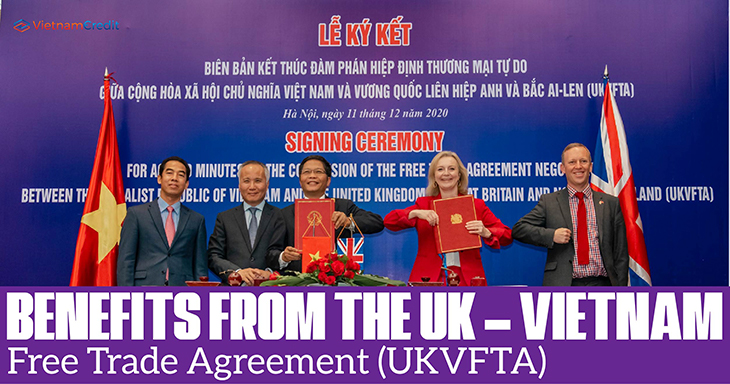
Vietnam is one of the most globally integrated economies in Asia when it comes to trade agreements. The country has signed and implemented multiple high-standard FTAs, including the EU–Vietnam Free Trade Agreement (EVFTA), the Comprehensive and Progressive Agreement for Trans-Pacific Partnership (CPTPP), the Regional Comprehensive Economic Partnership (RCEP), and the UK–Vietnam Free Trade Agreement (UKVFTA).
These agreements allow Vietnam to offer reduced or zero tariffs on a wide range of exports, making Vietnam manufacturing significantly more cost-efficient for international buyers.
Tariff Reduction: The Most Immediate Cost Advantage
Lower import duties for EU buyers are one of the most direct benefits of the EVFTA. Approximately 99% of tariffs between Vietnam and the EU will eventually be eliminated. This provides a strong price advantage for EU companies sourcing products such as electronics, furniture, textiles, footwear, and industrial equipment. The reduction in duties lowers landed costs and improves overall profit margins.
For US buyers, even without a bilateral FTA, Vietnam still offers a competitive position. Manufacturing in Vietnam helps American companies avoid high tariffs associated with other sourcing markets, diversify their supply chains, and maintain competitive export pricing. This makes Vietnam manufacturing an effective strategy in the face of global trade uncertainties.
Reduced Supply Chain Costs Through Trade Facilitation
FTAs do more than eliminate tariffs. They also improve logistics, customs procedures, and regulatory transparency. Vietnam has modernized its customs processes in line with FTA commitments, resulting in shorter lead times, reduced administrative costs, and a lower risk of shipment delays. For US and EU buyers, faster customs clearance means better inventory control and lower warehousing expenses.
Clear and standardized rules of origin also allow manufacturers in Vietnam to qualify for preferential tariffs more easily. This encourages the development of localized supply chains, reducing reliance on imported intermediate goods and lowering overall production costs.
Competitive Labor Costs with Strong Manufacturing Capability
Labor remains one of the core strengths of Vietnam manufacturing, but the advantage goes beyond low wages. Vietnam offers a young and skilled workforce, strong technical training in manufacturing sectors, and high productivity across industries such as electronics, furniture, textiles, and industrial production.
When combined with tariff reductions under FTAs, the total cost of production becomes highly competitive for international buyers.
Strategic Location for Global Trade
Vietnam’s geographic position in Southeast Asia provides a significant logistical advantage. With access to major shipping routes, proximity to global supplier networks, and continuous infrastructure development, Vietnam reduces transportation costs and shortens delivery timelines.
This strategic location makes Vietnam manufacturing an efficient choice for companies exporting to both Western and Asian markets.
Sector-Specific Cost Advantages
Vietnam has developed strong capabilities across several export-driven industries. In electronics and technology, the country has become a major production hub supported by foreign direct investment and a growing supplier ecosystem. FTAs help reduce export costs for finished products shipped to Europe and other CPTPP markets.
In furniture and home goods, Vietnam is one of the world’s leading exporters. EU buyers benefit significantly from EVFTA tariff reductions, which lower retail prices and improve competitiveness.
Textiles and footwear also gain a strong cost advantage through preferential tariff treatment and improving domestic material sourcing.
Supply Chain Diversification and Risk Reduction
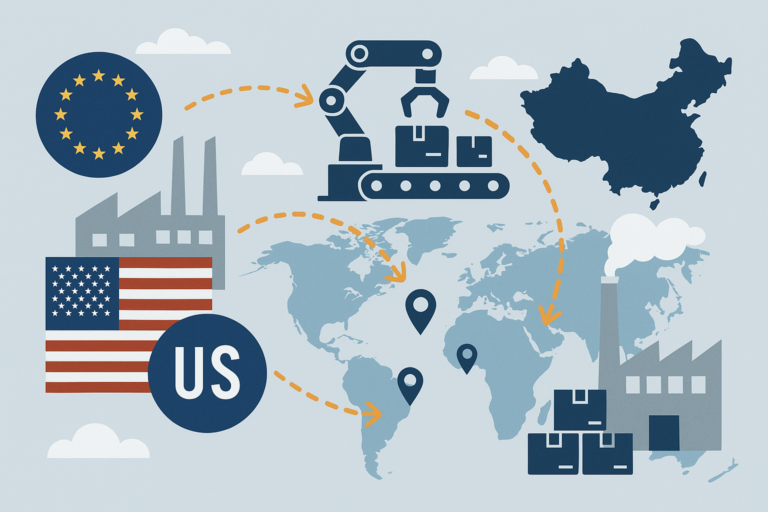
Recent global disruptions have highlighted the importance of supply chain resilience. Many US and EU companies are adopting a “China+1” strategy, and Vietnam manufacturing has become one of the top destinations for diversification.
FTAs support this shift by ensuring stable trade conditions, providing long-term tariff certainty, and creating a predictable regulatory environment. This reduces sourcing risks and enables better long-term cost planning.
Improved Investment Environment
Vietnam’s participation in high-standard FTAs has driven major domestic reforms, including stronger intellectual property protection, greater regulatory transparency, and improved labor and environmental standards.
For US and EU companies, this creates a more secure and business-friendly manufacturing environment.
Long-Term Cost Efficiency Beyond Tariffs
While tariff reductions provide immediate savings, the long-term value of FTAs lies in sustainable cost optimization. These agreements help develop local supplier ecosystems, encourage technology transfer, and improve production efficiency. Over time, this leads to lower unit costs and higher product quality.
Why Vietnam Manufacturing Is a Strategic Choice
Vietnam offers a powerful combination of advantages: preferential trade access through FTAs, competitive production costs, strategic export location, strong manufacturing growth, and a stable business environment.
For companies seeking to reduce sourcing costs while maintaining quality and supply chain reliability, Vietnam is no longer just an alternative—it is a strategic manufacturing hub.
Conclusion
Vietnam’s extensive FTA network is transforming the global sourcing landscape. By eliminating tariffs, streamlining customs procedures, and strengthening its manufacturing ecosystem, the country delivers substantial cost savings for US and EU buyers.
As businesses continue to optimize their supply chains, Vietnam manufacturing stands out as a long-term solution that combines cost efficiency, trade advantages, and production capability. Companies that leverage these benefits today will gain a strong competitive edge in the global market.